



What Is a Hybrid Car? Embrace the Power of Hybrid Innovation
A hybrid car is a vehicle that combines two power sources—a gasoline engine and an electric motor—to improve fuel efficiency, reduce emissions, and deliver smoother driving performance. In simple terms, when people ask what is a hybrid car, the answer is this: it’s a smart blend of traditional and electric power working together for better results.

Hybrid cars are becoming increasingly popular as drivers look for cost-effective and environmentally friendly transportation options. They don’t rely solely on electricity like electric vehicles, and they don’t burn fuel constantly like traditional gas cars. Instead, they strike a balance—efficient, practical, and future-focused.
In 2026, hybrid cars represent the pinnacle of smart, efficient, and exhilarating driving – seamlessly blending the reliability of gasoline power with the instant torque and eco-friendliness of electric motors. What is a hybrid car? Simply put, it’s a vehicle that combines an internal combustion engine (usually gasoline) with one or more electric motors and a battery pack to deliver superior fuel economy, reduced emissions, and often enhanced performance – all without the range anxiety of full EVs.

Definition of a Hybrid Car
A hybrid car is designed to automatically switch between or combine power from a gas engine and an electric motor. This intelligent system ensures optimal performance while using less fuel.
The main goal of hybrid technology is efficiency. By using electric power at low speeds and gasoline at higher speeds, hybrid vehicles reduce fuel consumption and emissions without compromising driving comfort.
Also Read: How Much Is Car Insurance Per Month in 2026? Comprehensive Cost Breakdown & Savings Guide
How a Hybrid Car Works
Understanding what is a hybrid car becomes easier once you see how it works. Hybrid cars use advanced onboard computers to determine which power source to use at any given time.
🔋 Role of the Electric Motor
The electric motor:
-
Powers the car at low speeds
-
Assists the engine during acceleration
-
Recovers energy through regenerative braking
This motor uses a battery that charges automatically—no plug needed in most hybrids.
⛽ Role of the Gasoline Engine
The gasoline engine:
-
Takes over at higher speeds
-
Charges the battery when needed
-
Provides extra power for long drives
Together, these systems create seamless performance.

Once niche, hybrids are now mainstream powerhouses, with models like the Toyota Prius, Honda Accord Hybrid, and luxury options leading sales. This ultimate guide empowers you with everything you need: how hybrids work, the different types, real-world advantages, top 2026 picks, and why choosing a hybrid fuels your freedom on the road. Get ready to unlock massive savings, smoother rides, and a greener future – hybrids aren’t just cars; they’re your ticket to empowered, confident driving!

————————
$10,000 Western Union Transfer
————————
How Hybrid Cars Work: The Brilliant Synergy of Power Sources
At its core, a hybrid car intelligently combines two power sources for optimal efficiency. The gasoline engine handles high-speed cruising and heavy loads, while the electric motor excels at low speeds, acceleration, and stop-and-go traffic.
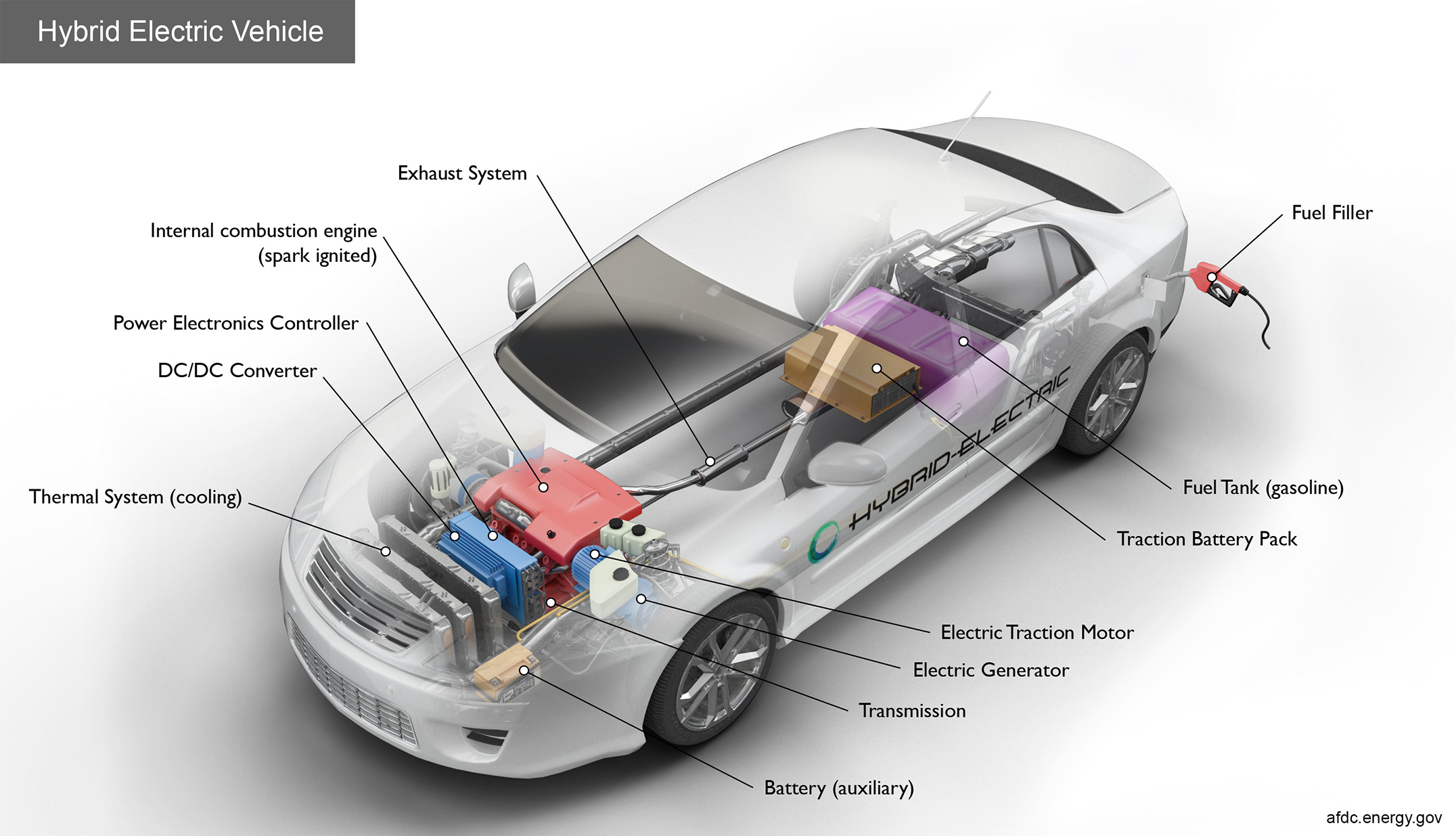
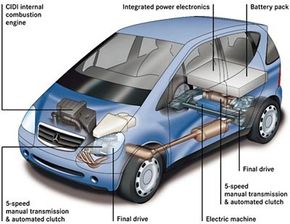
Key magic: Regenerative braking. When you brake, the electric motor acts as a generator, capturing kinetic energy (normally wasted as heat) and storing it in the battery. This recharges on the go – no plugging needed for standard hybrids!
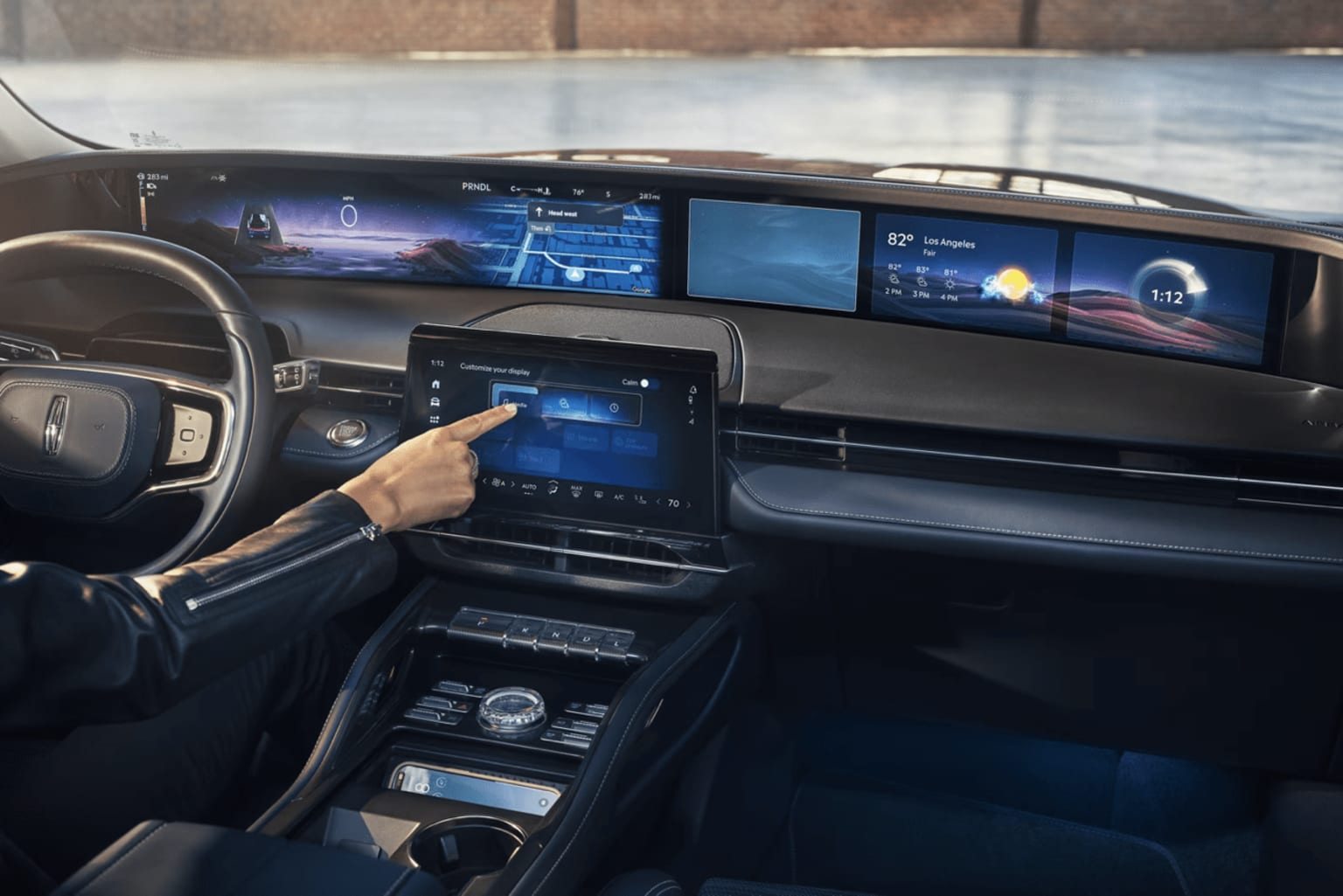
A sophisticated computer orchestrates everything: switching seamlessly between gas, electric, or both for maximum efficiency. Result? Up to 50+ mpg in many models, instant torque for quick acceleration, and quieter operation.
Types of Hybrid Cars: Find Your Perfect Power Match in 2026
Hybrids come in flavors to suit every lifestyle:

- Mild Hybrids: Entry-level empowerment. A small battery assists the gas engine for start-stop tech, light boost, and regen braking. Can’t drive electric-only, but improves efficiency 10-20%. Common in 2026 models like Volvo XC60.

- Full Hybrids (Conventional/Standard): The classic powerhouse. Can run on electric alone at low speeds, gas, or both. Exemplified by Toyota’s system – seamless and reliable.
- Plug-In Hybrids (PHEVs): The ultimate bridge to electric. Larger battery for 20-50+ miles electric-only range, then switches to hybrid mode. Plug in for max savings – ideal for commuters.

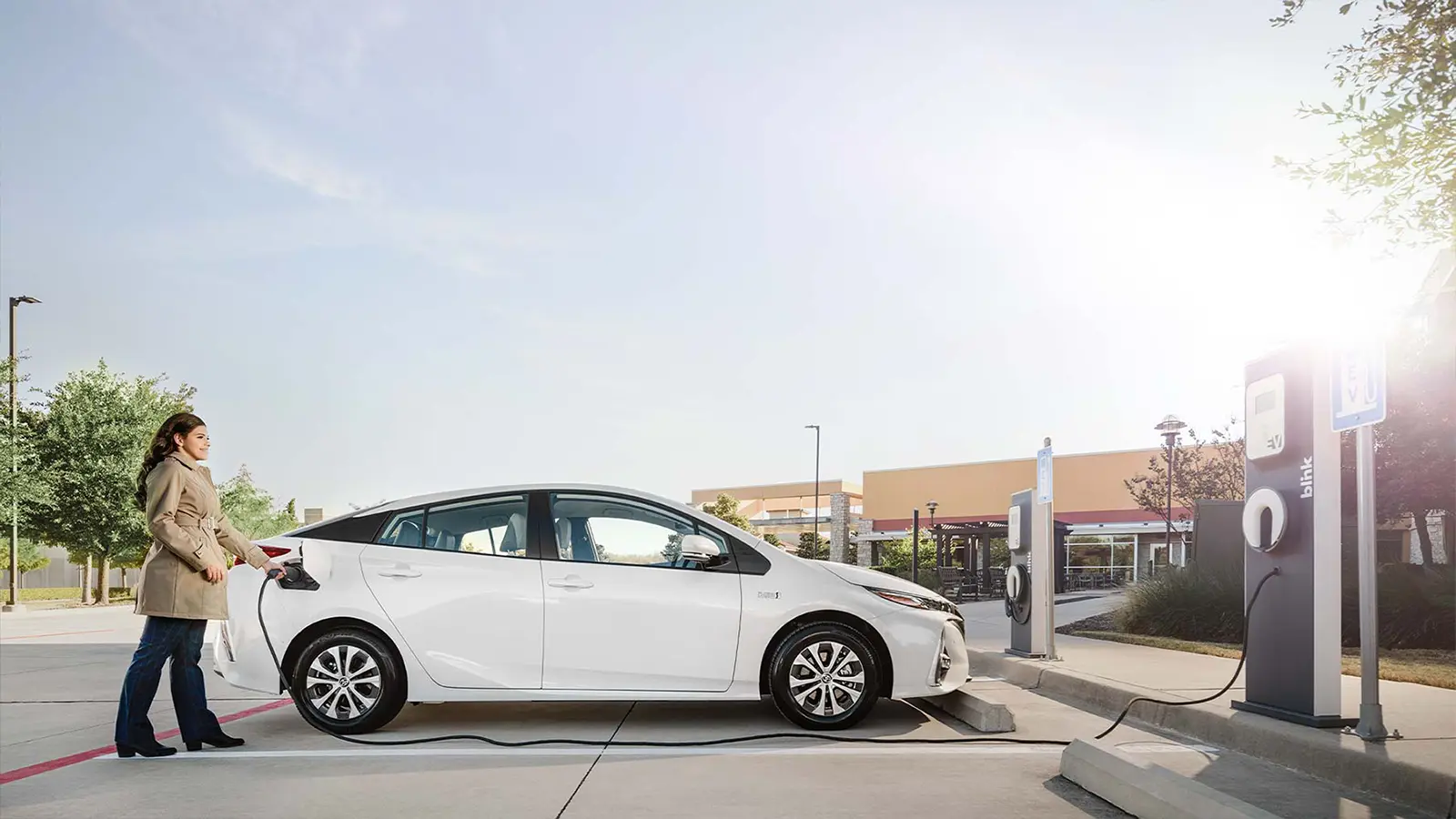
In 2026, PHEVs like the Toyota Prius Prime or RAV4 Prime dominate for their versatility.
The Empowering Advantages: Why Hybrids Dominate in 2026
Hybrids deliver unbeatable benefits:
- Massive Fuel Savings: 30-50% better mpg than gas-only cars – save thousands over ownership.
- Lower Emissions: Cleaner driving reduces your carbon footprint.
- Enhanced Performance: Electric torque means quicker acceleration and smoother power delivery.
- No Range Anxiety: Unlimited range with gas backup.
- Tax Incentives & Perks: Many qualify for rebates; lower running costs.
- Reliability: Proven tech (e.g., Toyota hybrids last 200k+ miles easily).
- Quiet, Refined Ride: Electric mode silences the cabin.
Real-world: Drivers report $1,000+ annual fuel savings, plus the thrill of effortless overtaking.
Also Read: How to Jump a Car Safely: Complete Step-by-Step Guide for 2026

————————
Get $20,000 USD Cashapp Transfer
————————
Potential Drawbacks: Honest Insights for Informed Choices
No tech is perfect – here’s the balanced view:
- Higher Upfront Cost: $2,000-5,000 premium (offset by savings in 3-5 years).
- Battery Replacement: Rare, but costly ($2,000-4,000 after 10+ years; warranties cover 8-10 years).
- Slightly Less Trunk Space: Battery placement.
- Complex Repairs: Though modern hybrids are reliable.
In 2026, incentives and falling battery costs minimize these.
Top Hybrid Cars to Empower Your Drive in 2026
Standouts include:
- Toyota Prius/Prius Prime: Iconic efficiency king (57 mpg; PHEV up to 44 electric miles).
- Honda Accord Hybrid/Civic Hybrid: Smooth, spacious, fun-to-drive.
- Toyota Camry Hybrid: Midsize comfort with 50+ mpg.
- Hyundai Tucson/Santa Fe Hybrid: Stylish SUVs with power.
- Luxury Picks: BMW X5 PHEV, Volvo XC90 Recharge.
These models top charts for reliability, value, and joy.

Get $5,000 Venmo Transfer Click Here
————————
Get Instant $10,000 Zelle Transfer Click Here
————————
💰 Fuel Efficiency and Cost Savings
Hybrid cars shine when it comes to mileage. Many models exceed 50 MPG, helping drivers save thousands over time. Fuel efficiency is one of the top reasons people research what is a hybrid car before buying.
Frequently Asked Questions: Your Hybrid Empowerment Hub
Q: Do hybrids need plugging in? A: Only PHEVs; standard hybrids self-charge.
Q: Are hybrids worth it in 2026? A: Absolutely – savings, performance, and eco-benefits shine.
Q: How long do hybrid batteries last? A: 10-15 years; warranties ensure peace.

Q: Better than full EVs? A: For long trips/flexibility, yes – no charging worries.
Q: Can hybrids tow? A: Many yes, like hybrid trucks/SUVs.
Also Read: How to Find Cheap Rental Cars: Ultimate Guide to Saving Money on Your Next Trip
Conclusion: Seize the Hybrid Revolution – Your Smarter Drive Awaits!
In 2026, hybrid cars empower you with the best of both worlds: Gas reliability meets electric efficiency for unbeatable savings, performance, and sustainability. Whether commuting, road-tripping, or daily driving, a hybrid unlocks freedom, lower costs, and a brighter future. Don’t settle for ordinary – embrace the power of hybrid innovation and transform your drive today!








Leave a comment