



Introduction: When Was the First Car Invented?
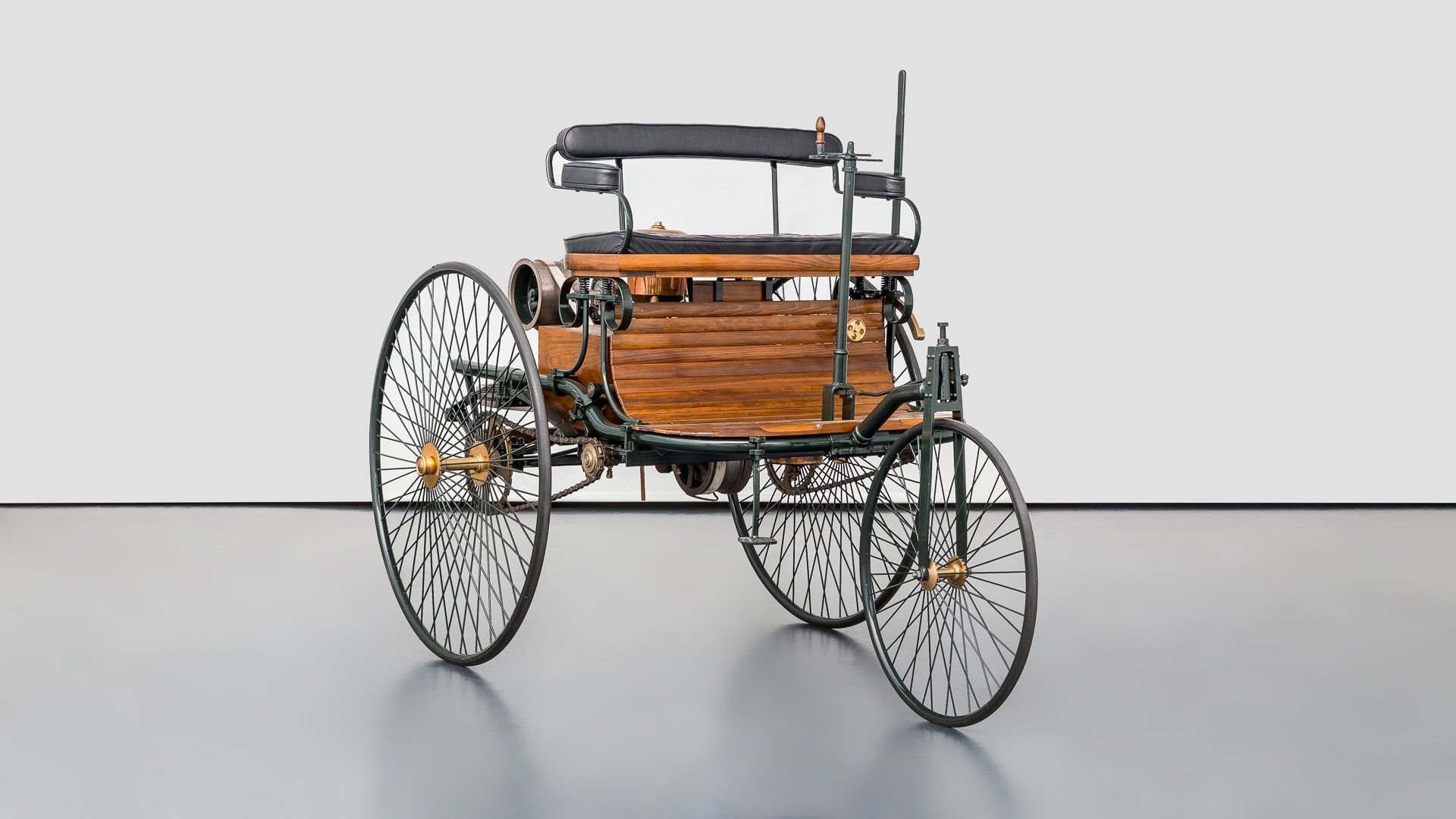
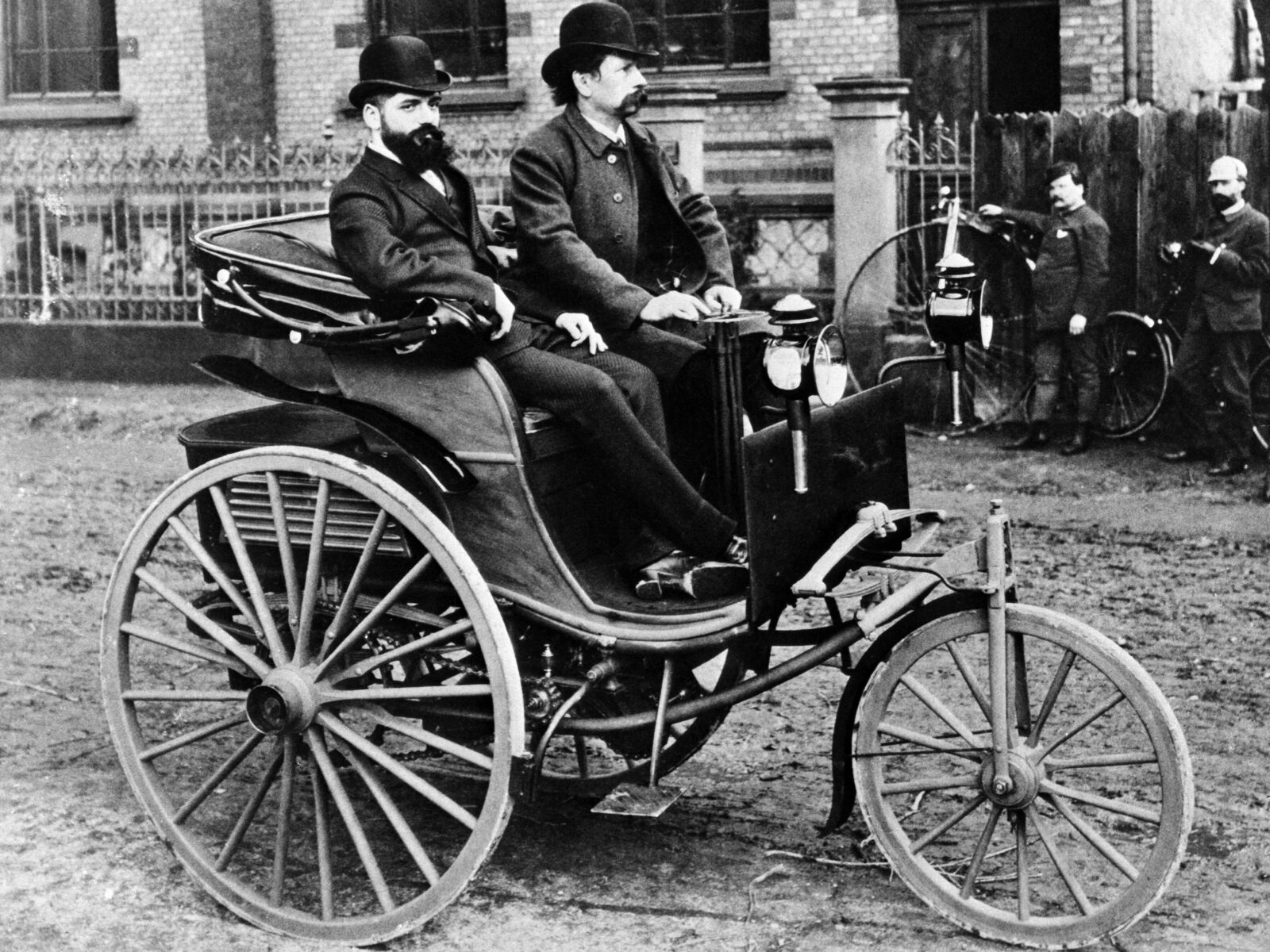
The question “when was the first car made in the world” doesn’t have a single definitive answer—it depends on how we define “car.” If we’re talking about the first practical, gasoline-powered automobile designed for everyday use, it was created by German engineer Karl (Carl) Benz in 1885-1886. His three-wheeled Benz Patent-Motorwagen is universally credited as the birth of the modern car, patented on January 29, 1886 (patent No. 37435).


However, self-propelled vehicles existed long before. This comprehensive guide explores the timeline, from early steam-powered experiments to Benz’s revolutionary invention and beyond.
Early Precursors: Self-Propelled Vehicles Before the Modern Car
Humanity’s dream of mechanized transport dates back centuries:
- 15th Century: Leonardo da Vinci sketched designs for spring-powered, self-propelled carts—visionary but never built.
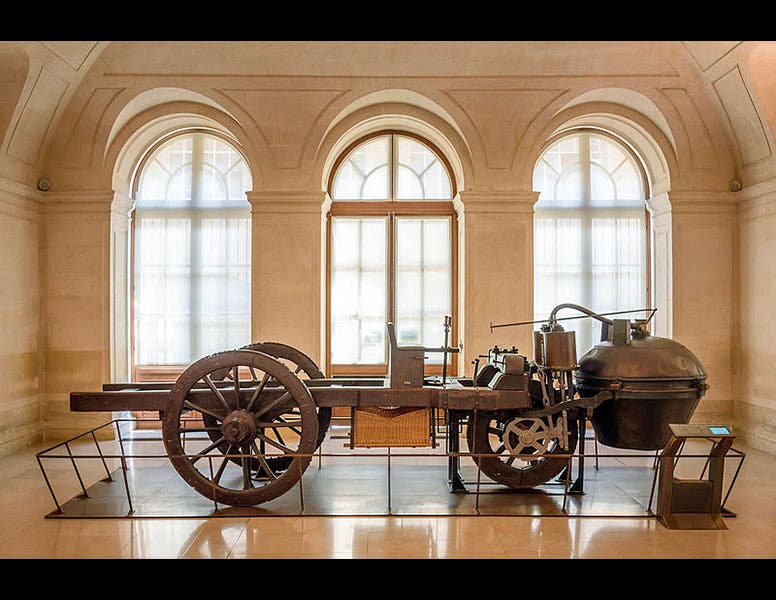
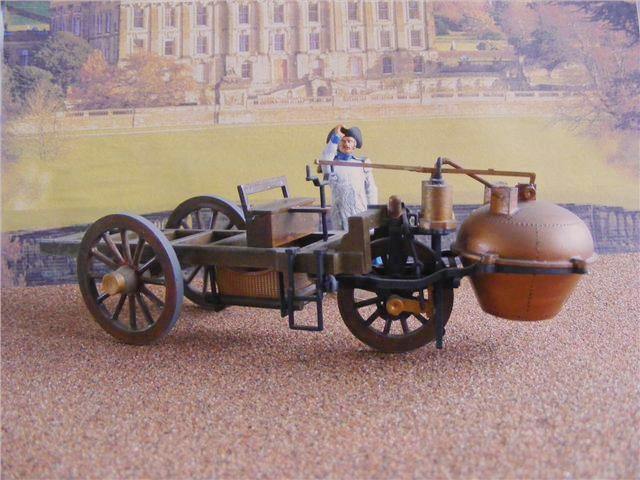
- 1769: French inventor Nicolas-Joseph Cugnot built the first full-scale, self-propelled road vehicle: a steam-powered “fardier à vapeur” (steam dray) for military use. This three-wheeled tractor could carry heavy loads but was slow (about 2-3 mph) and unstable, famously crashing into a wall in what may be the world’s first car accident.
- 19th Century Steam Era: Various steam carriages emerged, but they were bulky, inefficient, and faced legal restrictions (like Britain’s “Red Flag” laws requiring a person to walk ahead).
These were important steps, but not “cars” in the modern sense—lacking internal combustion engines and practical design.

————————
$10,000 Western Union Transfer
————————
The Breakthrough: Karl Benz and the First Practical Automobile (1885-1886)
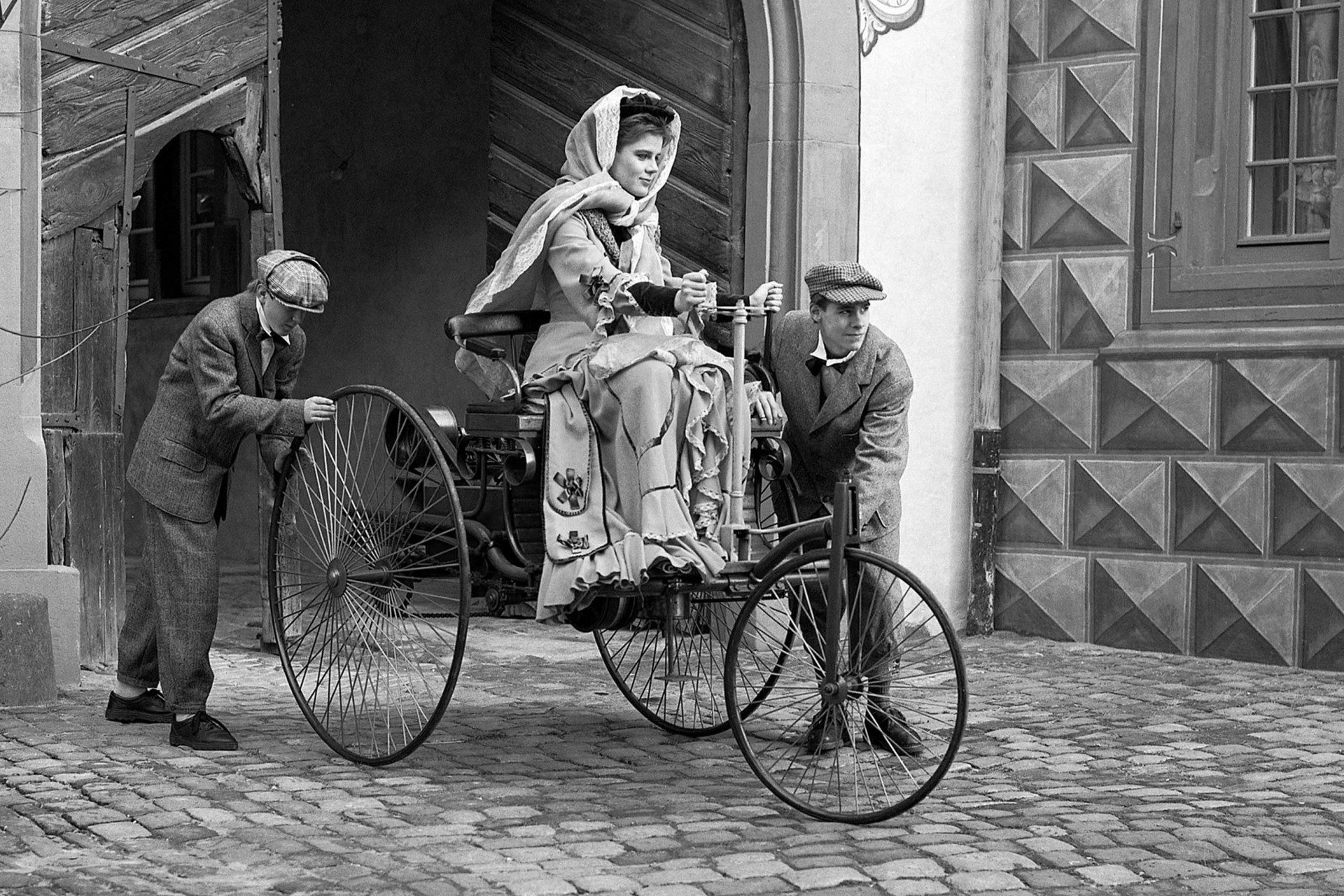
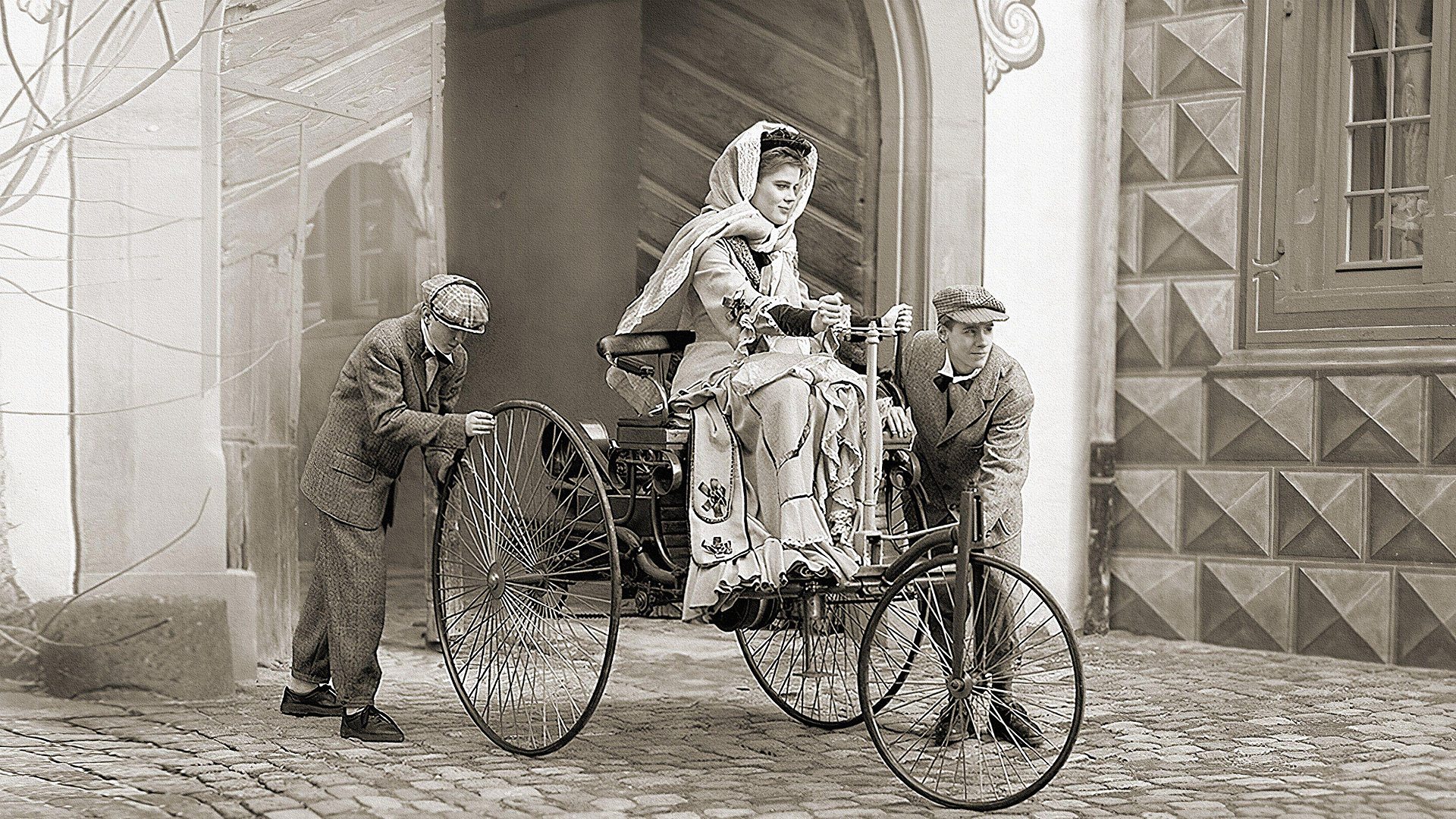
In 1885, Karl Benz completed his Patent-Motorwagen, a purpose-built vehicle with a gasoline-powered internal combustion engine integrated into a lightweight chassis. Key innovations included:
- A single-cylinder four-stroke engine (0.75 horsepower).
- Tubular steel frame, wire-spoke wheels.
- Electric ignition, evaporative cooling, and differential gearing.
Benz first drove it in 1885, publicly demonstrated it on July 3, 1886, and patented it in January 1886. It reached speeds of about 10 mph and was the first vehicle commercially available (around 25 units sold by 1893).
Also Read: What is the Most Expensive Car in the World in 2026? Ultimate Guide to Ultra-Luxury Hypercars
Why is this considered the first true car? It was designed from scratch as a motorized personal vehicle, not a modified carriage, and laid the foundation for all future automobiles.

Bertha Benz: The First Long-Distance Drive and Marketing Genius
In August 1888, Karl’s wife Bertha Benz made history by taking the Motorwagen on the world’s first long-distance road trip (over 60 miles from Mannheim to Pforzheim and back) without telling her husband. She fixed issues en route (inventing brake pads on the spot) and proved the vehicle’s reliability, generating massive publicity.
Timeline of Key Milestones in Early Automobile History


- 1769: Cugnot’s steam tractor.
- 1807: First internal combustion engine (hydrogen-powered).
- 1876: Nicolaus Otto’s four-stroke engine.
- 1885-1886: Benz Patent-Motorwagen.
- 1890s: Gottlieb Daimler and Wilhelm Maybach develop high-speed gasoline engines.
- 1901: First mass-produced car (Oldsmobile Curved Dash).
- 1908: Ford Model T revolutionizes affordability.
Why 1886 Marks the True Birth of the Car
While earlier vehicles were self-propelled, Benz’s creation was the first practical, marketable automobile powered by an efficient internal combustion engine. It transformed transportation, leading to the global industry we know today—with over 1.6 billion cars on roads in 2025.
Frequently Asked Questions
When exactly was the first car made?
Karl Benz built it in 1885, patented and publicly driven in 1886.
Who invented the first car?
Karl Benz is credited with the first practical automobile.

————————
Get $20,000 USD Cashapp Transfer
————————
Was there a car before Benz?
Yes, steam-powered vehicles like Cugnot’s 1769 fardier, but not modern cars.
In summary, when the first car was made points to 1885-1886 and Karl Benz’s visionary Patent-Motorwagen—the spark that ignited the automotive revolution.








Leave a comment