



Introduction: what political party target support Decoding Target’s Political Support in 2025
As consumers grow more conscious of corporate ethics, the question “what political party does Target support” has gained traction, especially in 2025 amid economic shifts and political transitions. Target Corporation, a major U.S. retailer headquartered in Minneapolis, officially claims a non-partisan stance, engaging with policymakers across the spectrum to advance business-friendly policies. However, through its Political Action Committee (PAC), corporate contributions, and recent actions like the $1 million donation to President Trump’s 2025 inauguration, Target’s affiliations reveal a pragmatic, bipartisan approach rather than strict allegiance to one party.
This in-depth analysis, updated for December 2025, examines Target’s donation history, 2024 election cycle data, 2025 developments including the DEI retreat and boycotts, and public perceptions. Drawing from sources like OpenSecrets and Target’s disclosures, we’ll uncover how the company navigates politics while prioritizing retail interests such as supply chain efficiency and workforce policies. With total 2024 contributions exceeding $1.3 million and lobbying at $2.76 million, Target’s influence is significant. Whether you’re boycotting or supporting, understanding these dynamics helps align your spending with your values in a polarized era.

Take control of your finances Empower Your Income Now
————————————————
$10,000 Western Union Transfer
————————
The History of Target’s Political Engagement
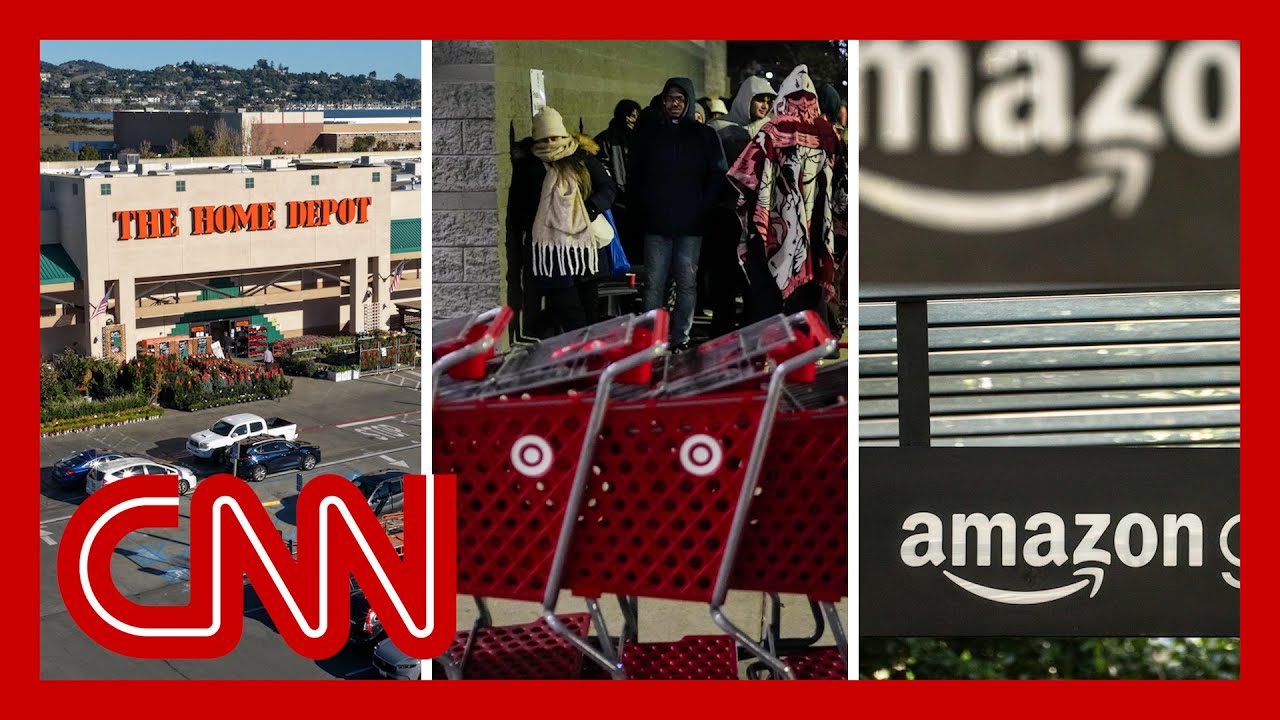
Target’s political involvement traces back to its roots as part of Dayton’s in 1962, but it intensified post-2000 as the company grew into a retail powerhouse. The 2010 Citizens United ruling amplified corporate spending, leading to Target’s first major controversy: a $150,000 donation to MN Forward, backing a Republican candidate opposed to same-sex marriage. This sparked LGBTQ+ boycotts, prompting an apology from then-CEO Gregg Steinhafel and a shift toward more transparent, issue-focused giving.
Throughout the 2010s and early 2020s, Target’s TargetCitizens PAC—funded voluntarily by employees—distributed funds relatively evenly. In the 2022 cycle, contributions slightly favored Republicans at 56%, reflecting priorities like tax cuts and trade deals. By 2020-2023, amid social unrest following George Floyd’s murder in Minneapolis, Target emphasized diversity and community support, aligning with progressive causes while maintaining bipartisan donations.
Historical data shows consistent support for both parties: 2020 contributions included funds to Democratic and Republican committees, with a focus on retail advocacy. This pattern underscores Target’s strategy: avoid ideological entanglements and prioritize economic policies benefiting its 1,900+ stores and 400,000 employees.

Create Your Financial Breakthrough. Get access to unlimted funding
————————
Get $10,000 PayPal Transfer Click Here
————————
Get $20,000 Cashapp Transfer Click Here
————————
Target’s 2024 Political Donations and PAC Activities
The 2024 election cycle provides the most recent comprehensive data on Target’s support. Total contributions reached $1,362,939, split nearly evenly between individuals ($692,951) and organizational/PAC funds ($670,000). Of this, 64.9% went to candidates, 16.86% to party committees, and the rest to PACs and outside groups.
Party-wise, donations were balanced but with notable leans. Top recipient: Democratic presidential candidate Kamala Harris ($218,731, mostly individual). Other Democrats included the Democratic Senatorial Campaign Committee ($59,023) and DNC Services Corp ($26,962). Republicans received support for the National Republican Senatorial Committee ($34,708), Donald Trump ($26,652 from individuals), National Republican Congressional Committee ($24,636), and Republican Party of Minnesota ($21,497).
The TargetCitizens PAC raised $607,206 in 2023-2024, focusing on pro-retail candidates regardless of party. Corporate funds over $5,000 supported state-level groups like the Minnesota Democratic-Farmer-Labor Party ($15,000) and Republican counterparts. This data indicates no dominant party support; instead, Target hedges bets to ensure access in a divided Congress.

Working hard is a good thing but working smart would set you forward Find out Here
————————
Get $10,000 PayPal Transfer Click Here
————————
Get $20,000 Cashapp Transfer Click Here
————————
Key Developments in Target’s Political Stance in 2025
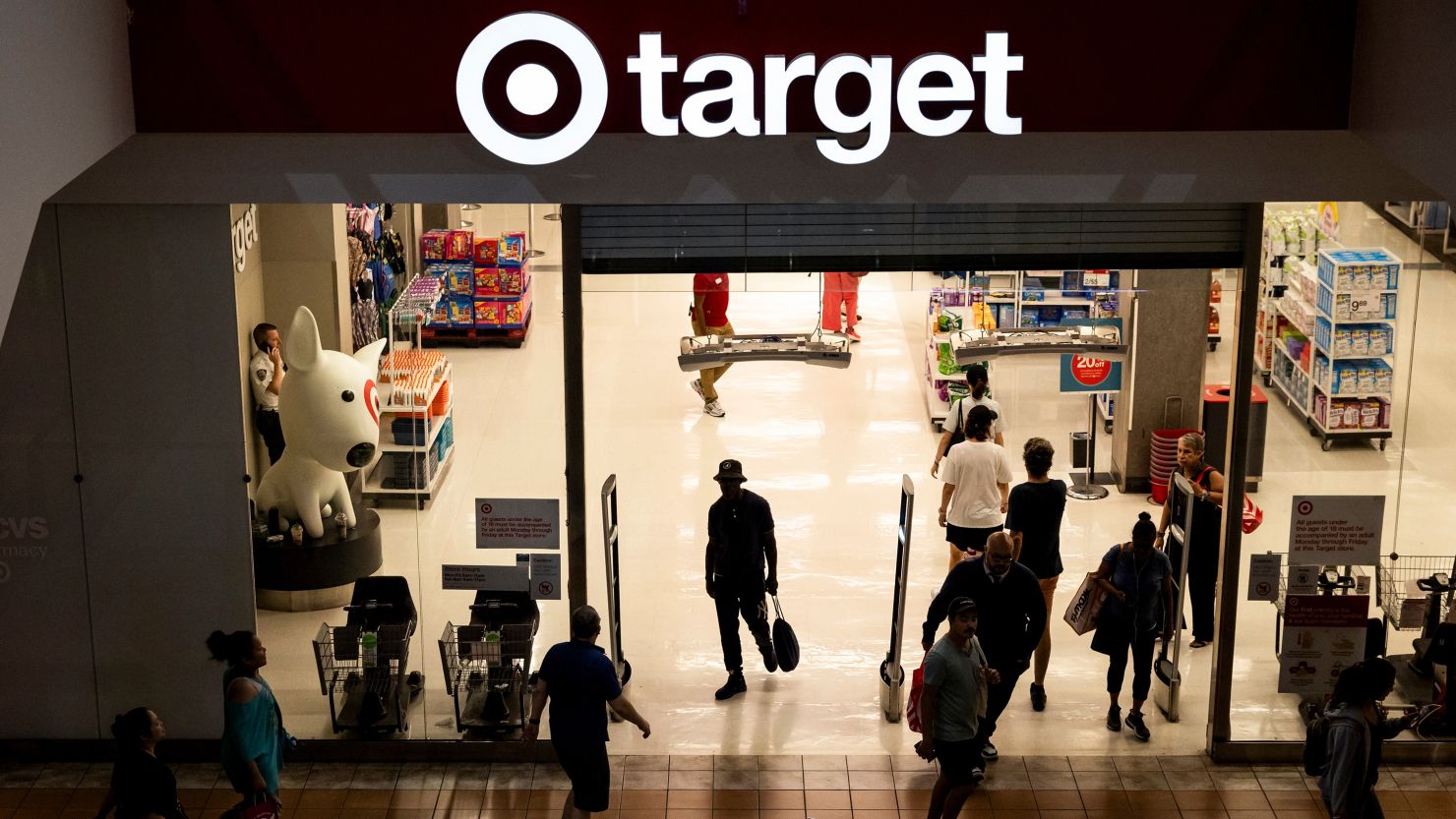
2025 marked pivotal shifts for Target amid the new Trump administration. In January, just days after Trump’s inauguration, Target announced the end of its DEI goals and programs, citing an “evolving external landscape”—likely referencing the administration’s anti-DEI push. This reversal from its post-2020 commitments to Black communities drew backlash, with civil rights groups and faith leaders calling for boycotts in February.
A landmark move: Target donated $1 million to Trump’s 2025 Inaugural Committee—its first-ever such contribution. A spokesperson emphasized collaboration with all governments for better retail experiences, but critics saw it as aligning with Republicans amid tariff threats impacting Target’s imports. No major 2025 election contributions are reported yet, as the 2026 midterms loom, but lobbying continues at high levels.
These actions reflect adaptation: retreating from progressive policies under conservative pressure while maintaining economic ties.
Target’s Support for Political Issues and Causes
Target’s engagement extends beyond parties to issues. It advocates for sustainability, workforce development, and trade policies via memberships in organizations like the Retail Industry Leaders Association, disclosed as political contributions. Historically supportive of LGBTQ+ rights, Target faced conservative boycotts in 2023 over Pride merchandise and again in 2025 over DEI changes.

Activate Your Cash Flow with the right money tools
————————
————————
$10,000 Western Union Transfer
————————
On economic fronts, Target lobbies for infrastructure and supply chain reforms, benefiting from bipartisan bills. Its 2025 inauguration donation may signal efforts to mitigate tariffs, given half its merchandise is imported. Community giving via Target Circle focuses on non-political nonprofits, separating philanthropy from politics.
Public Perception, Boycotts, and Consumer Impact
Public views on Target’s politics are divided. Apps like Goods Unite Us track donations, influencing shoppers to switch to alternatives like Costco or Trader Joe’s. The 2025 DEI retreat led to a 40-day boycott, reportedly causing a $12.4 billion market value drop by February’s end. A class action lawsuit alleges fraud over misleading DEI statements.
Conservatives have targeted Target for past progressive stances, while liberals criticize perceived Republican shifts. Forums buzz with debates: “Does Target lean left or right?” with users citing balanced donations but questioning 2025 moves. Despite volatility, Target’s sales resilience suggests boycotts’ limited long-term impact.
Target’s Bipartisan Strategy in a Divided Landscape
Target’s approach—donating to both sides—mirrors many corporations, ensuring influence post-election. In 2025, with Trump’s return, this pragmatism is evident in the inauguration gift and DEI pivot. Yet, it risks alienating bases, as seen in dual boycotts.

Luck never pays the bills but knowing the right instant-funding networks does, every single time
————————
————————
$10,000 Western Union Transfer
————————
Read more: What Is Fracking in Politics
Conclusion: No Single Party, But Strategic Alliances
Ultimately, Target does not support one political party exclusively; its bipartisan donations and issue-based advocacy prioritize business over ideology. In 2025, actions like the Trump donation and DEI end suggest adaptation to Republican dominance, but historical balance persists. Consumers should review disclosures on Target’s site or OpenSecrets for informed choices. As politics evolve, Target’s strategy may shift, but transparency remains key.









Leave a comment