



Introduction: How to Jump Start a Car When Your Battery is Dead
A dead car battery can happen to anyone—leaving lights on, extreme weather, or an old battery are common culprits. Knowing how to jump start a car safely is an essential skill that can save time, money, and frustration. In 2026, with modern vehicles featuring advanced electronics, following the correct procedure is more important than ever to avoid damaging sensitive components.

This ultimate guide covers the traditional method using jumper cables from another vehicle, plus modern portable jump starters. We’ll include safety precautions, visual steps, and troubleshooting tips. Follow along to get back on the road quickly and confidently.
Essential Safety Precautions Before You Jump Start a Car
Safety first—jump starting involves electricity, so mishandling can cause sparks, explosions, or injury.
- Park both vehicles in a safe, well-ventilated area (not in an enclosed garage to avoid hydrogen gas buildup).
- Turn off both engines, lights, and accessories.
- Wear eye protection and gloves if available.
- Ensure no smoking or open flames nearby (batteries can release flammable gas).
- Check batteries for cracks or leaks—do not jump if damaged.
- Identify positive (+) red and negative (-) black terminals clearly.
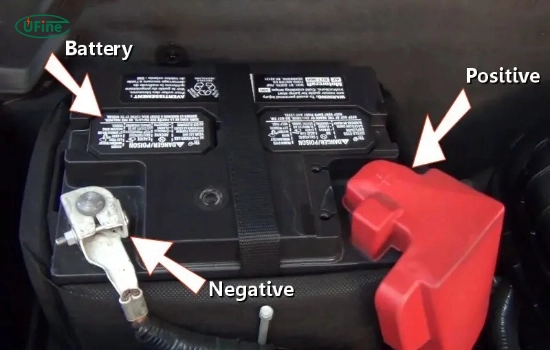

What You’ll Need to Jump Start a Car
- Jumper cables (heavy-duty, at least 10-gauge for better performance).
- A running donor vehicle with a matching voltage battery (usually 12V).
- Optional: Wire brush to clean corroded terminals.
Alternative: A portable lithium-ion jump starter (popular in 2026 for convenience—no second car needed).

————————
$10,000 Western Union Transfer
————————


Step-by-Step: How to Jump Start a Car with Jumper Cables
Follow this exact order to avoid sparks or damage:
- Position the Vehicles: Park the donor car close but not touching the dead car. Engage parking brakes.
- Connect the Cables:
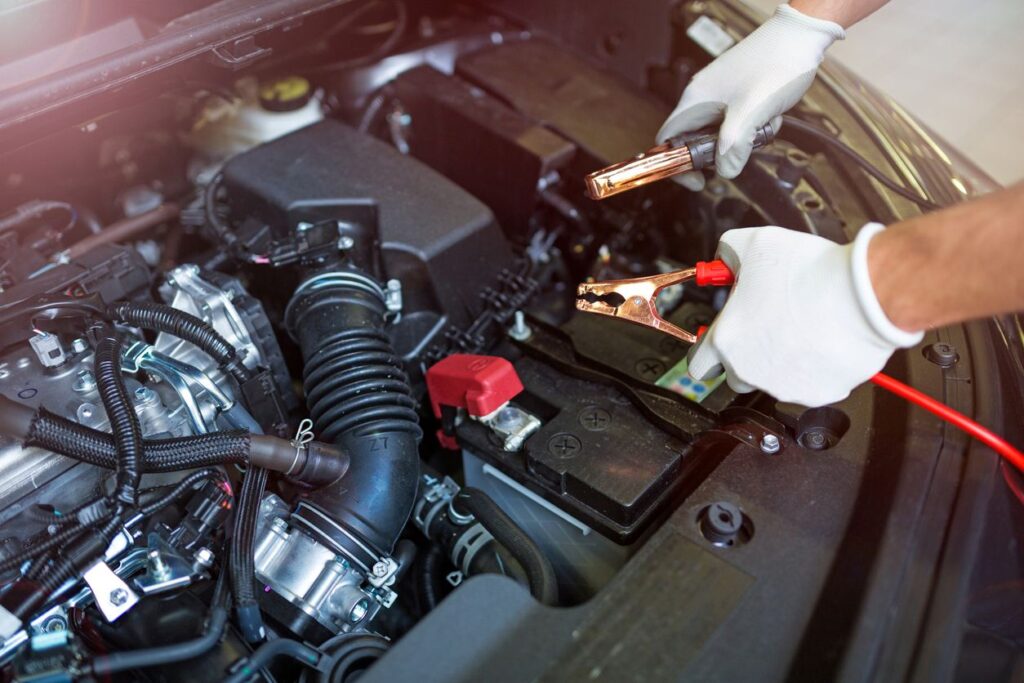
- Red clamp to dead battery’s positive (+) terminal.
- Red clamp to donor battery’s positive (+) terminal.
- Black clamp to donor battery’s negative (-) terminal.
- Black clamp to an unpainted metal surface on the dead car’s engine block (ground—not the battery negative to minimize sparks).

- Start the Donor Vehicle: Let it run for 2-5 minutes to charge the dead battery.
- Start the Dead Vehicle: Attempt to start—if it doesn’t, wait longer and try again.
- Disconnect in Reverse Order:
- Black from ground on dead car.
- Black from donor negative.
- Red from donor positive.
- Red from dead positive.
- Drive the Jumped Car: Run it for at least 20-30 minutes to recharge the battery, or get it tested/replaced soon.
Using a Portable Jump Starter in 2026
Portable units are safer and easier: Connect red to positive, black to negative/ground, power on the device, and start the car. Many have reverse polarity protection and USB ports.
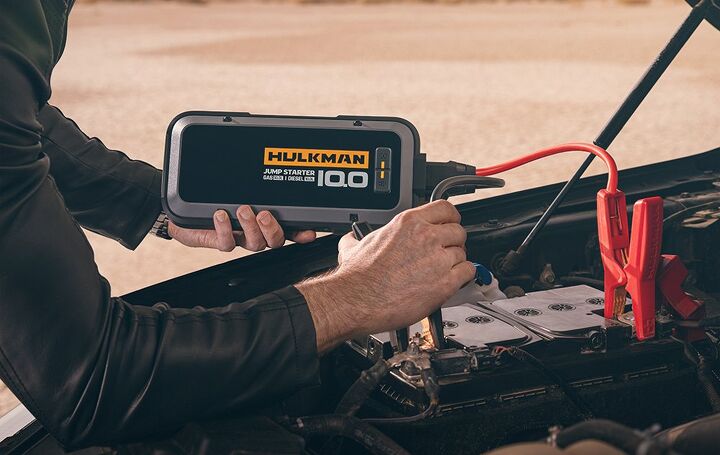
Common Mistakes to Avoid When Jump Starting a Car
- Reversing polarity (red to black)—can fry electronics.
- Connecting negative to dead battery negative (risks explosion).
- Not letting the donor car run long enough.
- Jumping a frozen or damaged battery.
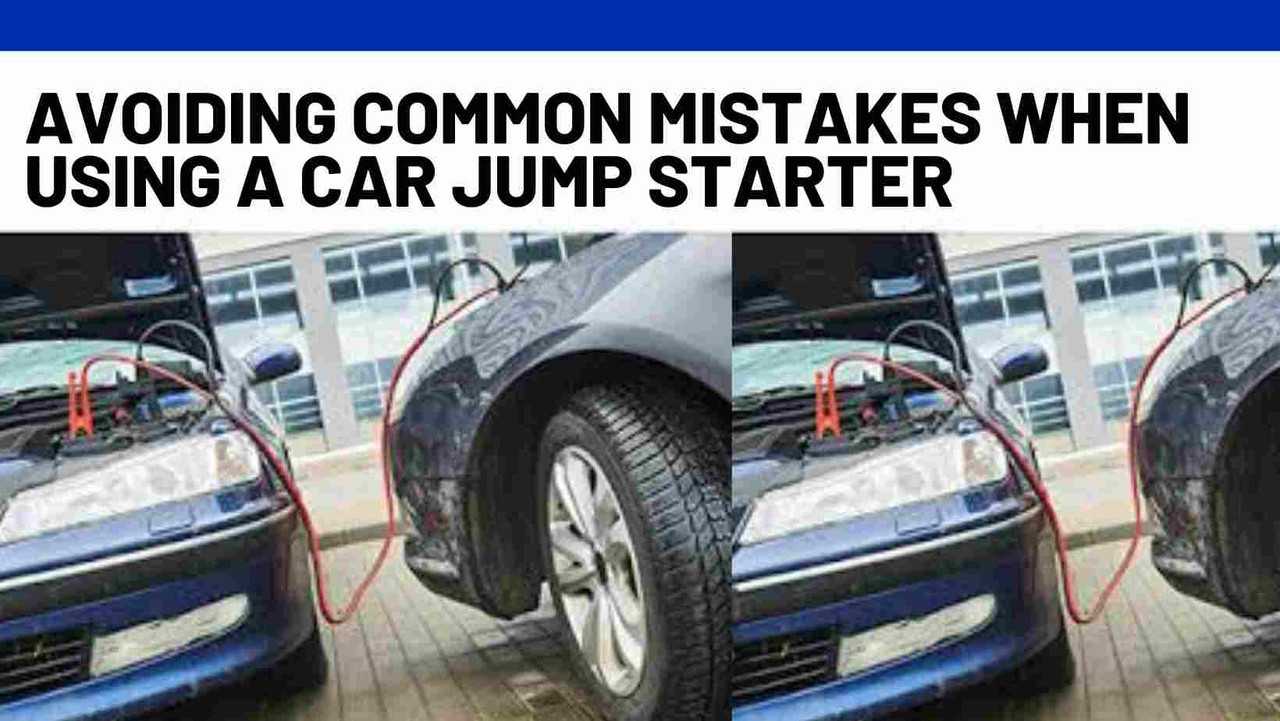
Frequently Asked Questions About Jump Starting a Car
Can I jump start a hybrid or electric car?
No—consult the manual; they require special procedures.
How long should I drive after a jump?
At least 30 minutes to recharge.

What if it still won’t start?
Battery may need replacement or alternator issue—call a mechanic.
Mastering how to jump start a car safely empowers you on the road. Practice once, and you’ll handle it confidently next time. Stay safe!








Leave a comment